
Chromatin and epigenetic reprogramming
Mapping regulatory programs that control vascular identity, inflammation, and susceptibility.

We integrate epigenetics, vascular biology, and systems approaches to understand how disease develops and to evaluate therapeutic ideas.
Mapping regulatory programs that control vascular identity, inflammation, and susceptibility.
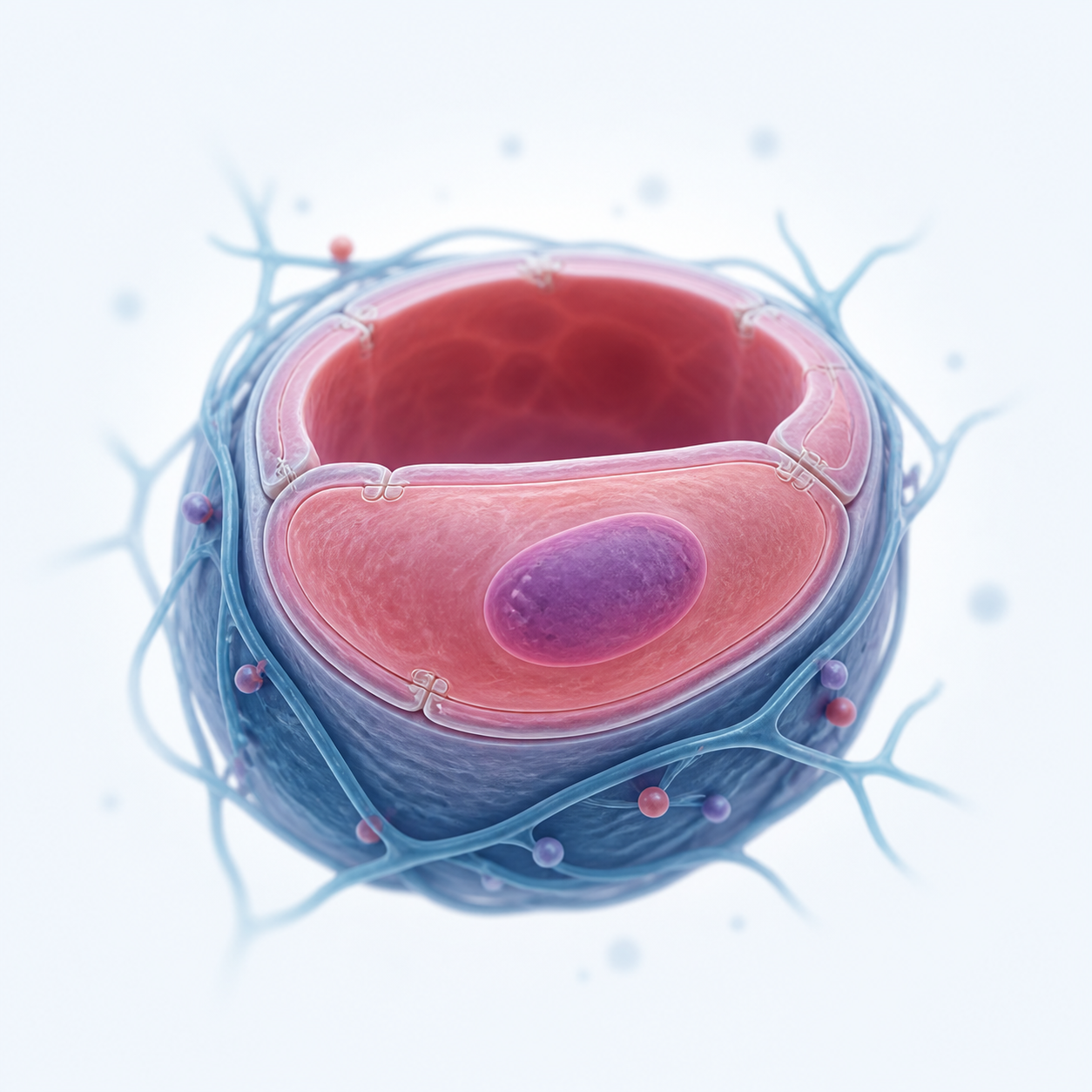
Defining how environment and signaling reshape endothelial states and drive progression.
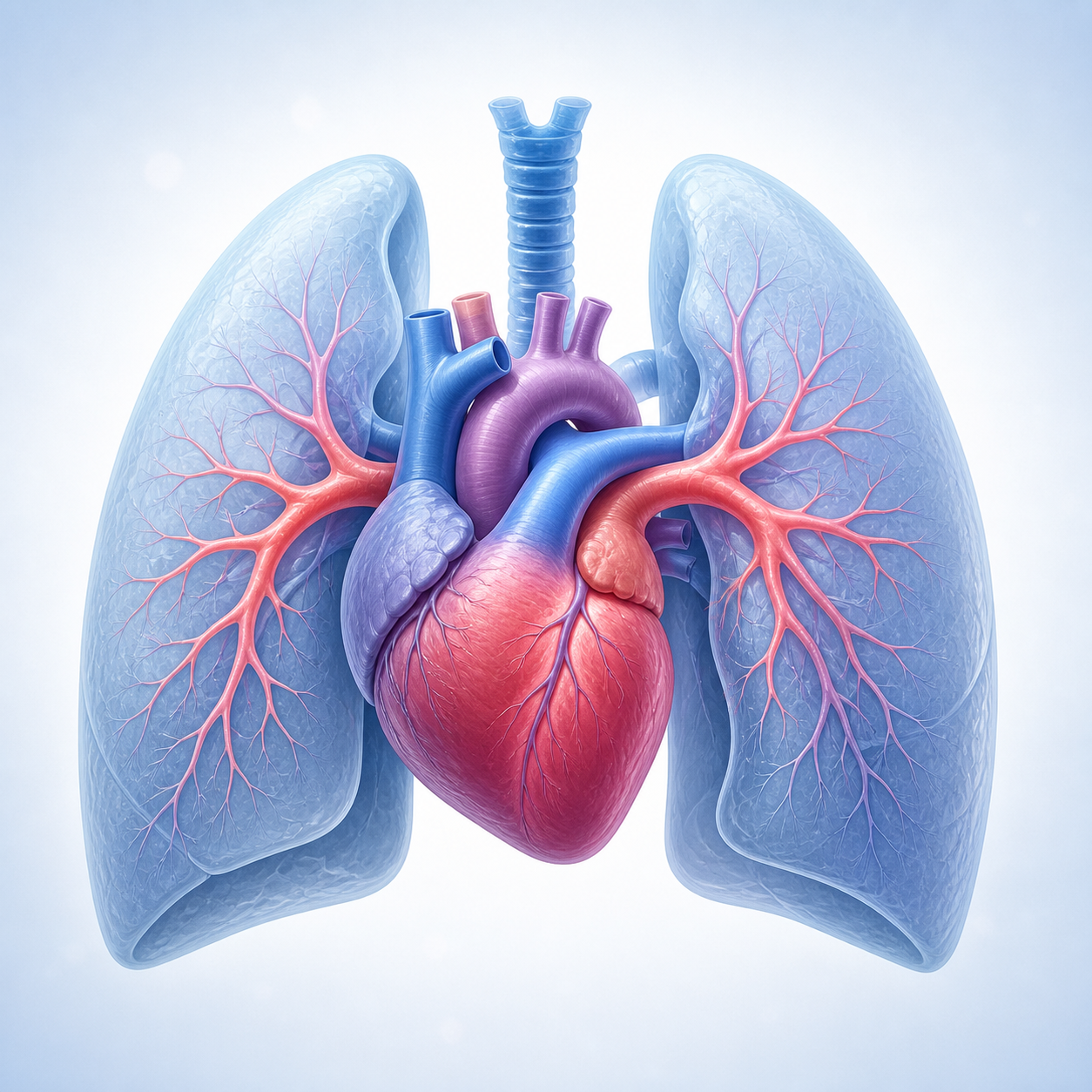
Dissecting mechanisms that impair pulmonary and right-heart function.
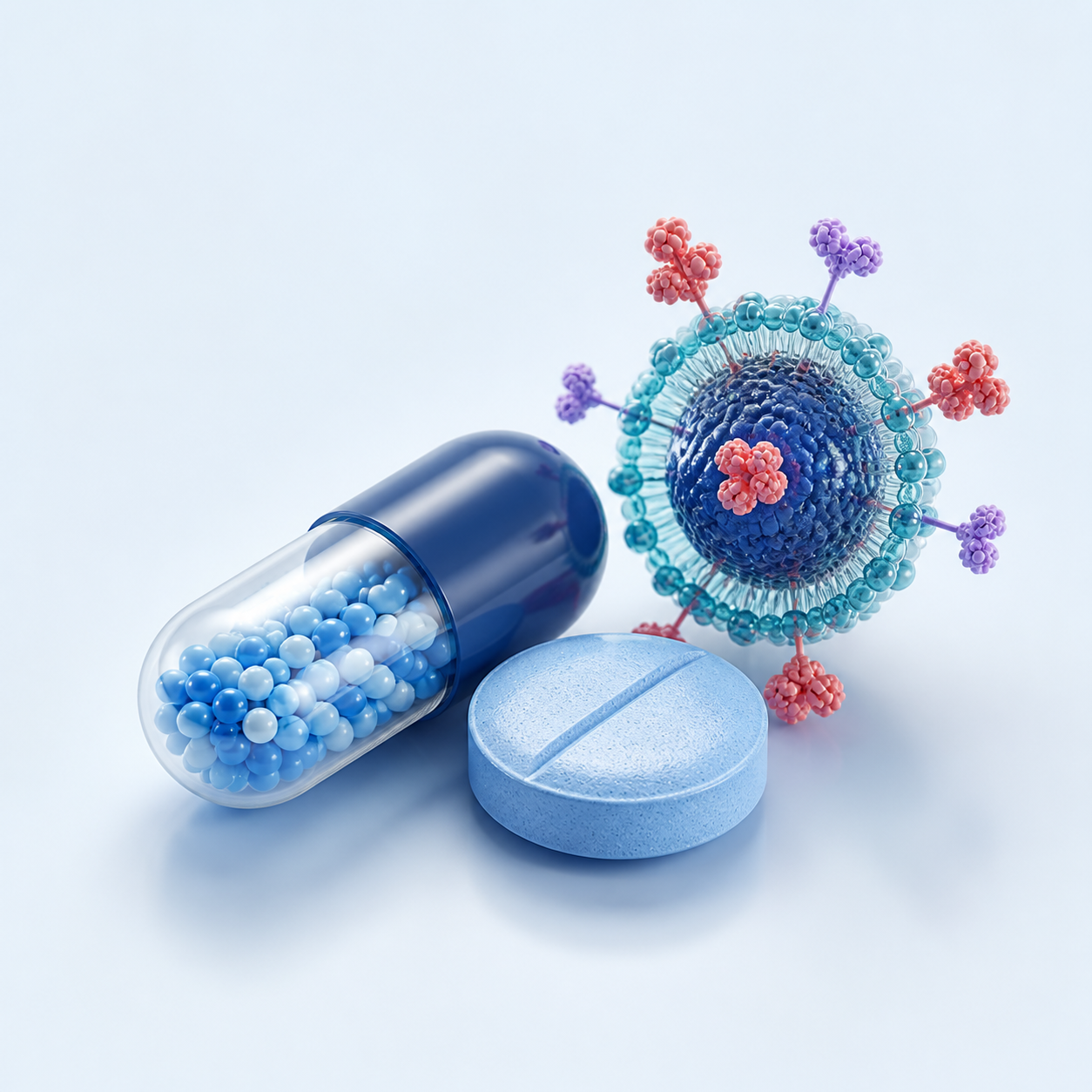
Identifying mechanisms and developing strategies to restore vascular health.
We combine complementary molecular, cellular, imaging, and physiological technologies because pulmonary vascular disease emerges across scales. Multi-omics and spatial profiling reveal candidate pathways and cell states; microscopy and patient-derived cell models show where and how those mechanisms operate; and in vivo cardiopulmonary measurements establish whether they alter disease function. Together, these platforms let us connect a molecular discovery to a reproducible mechanism and a therapeutically meaningful outcome.
 Omics and RNA sequencing
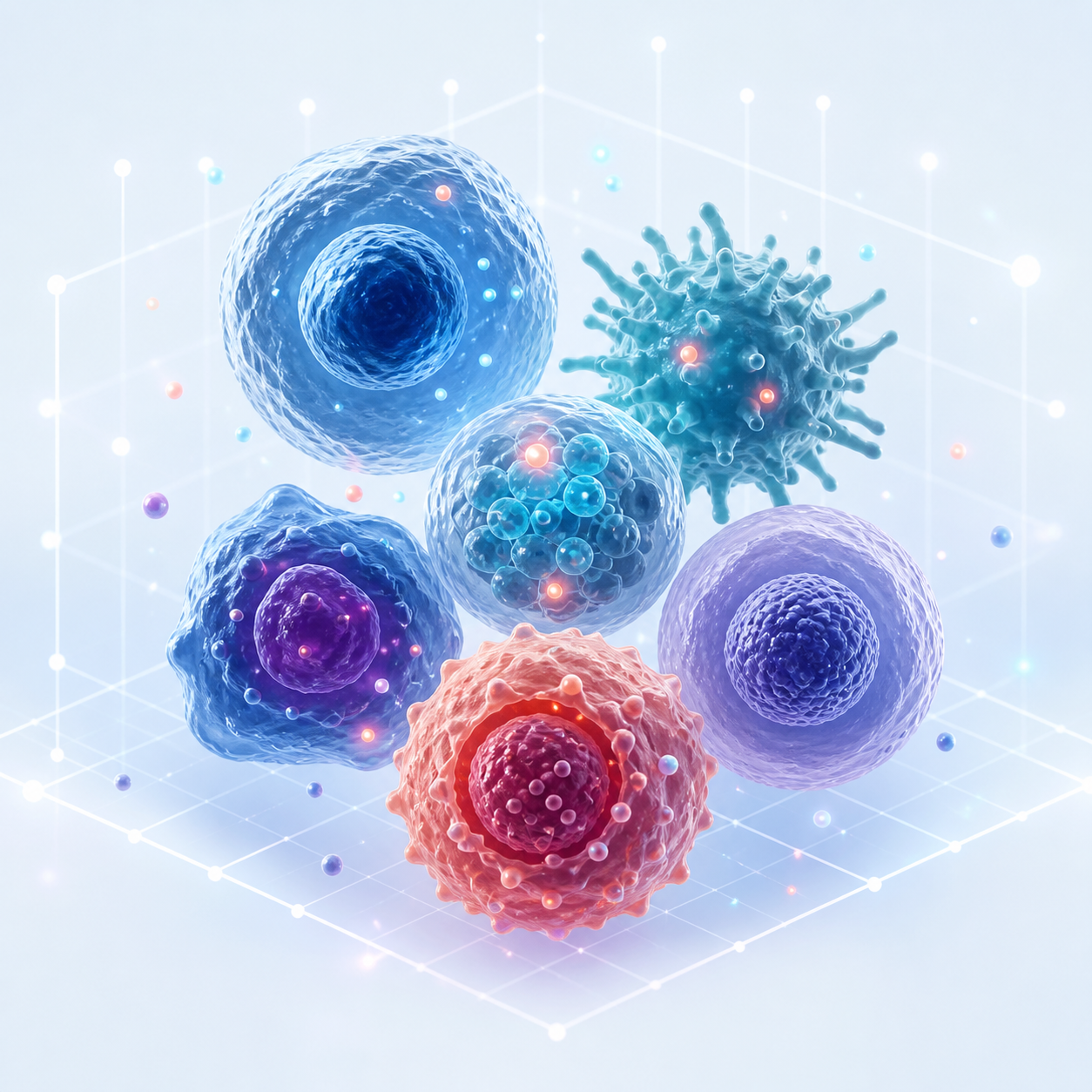 Single-cell and spatial profiling
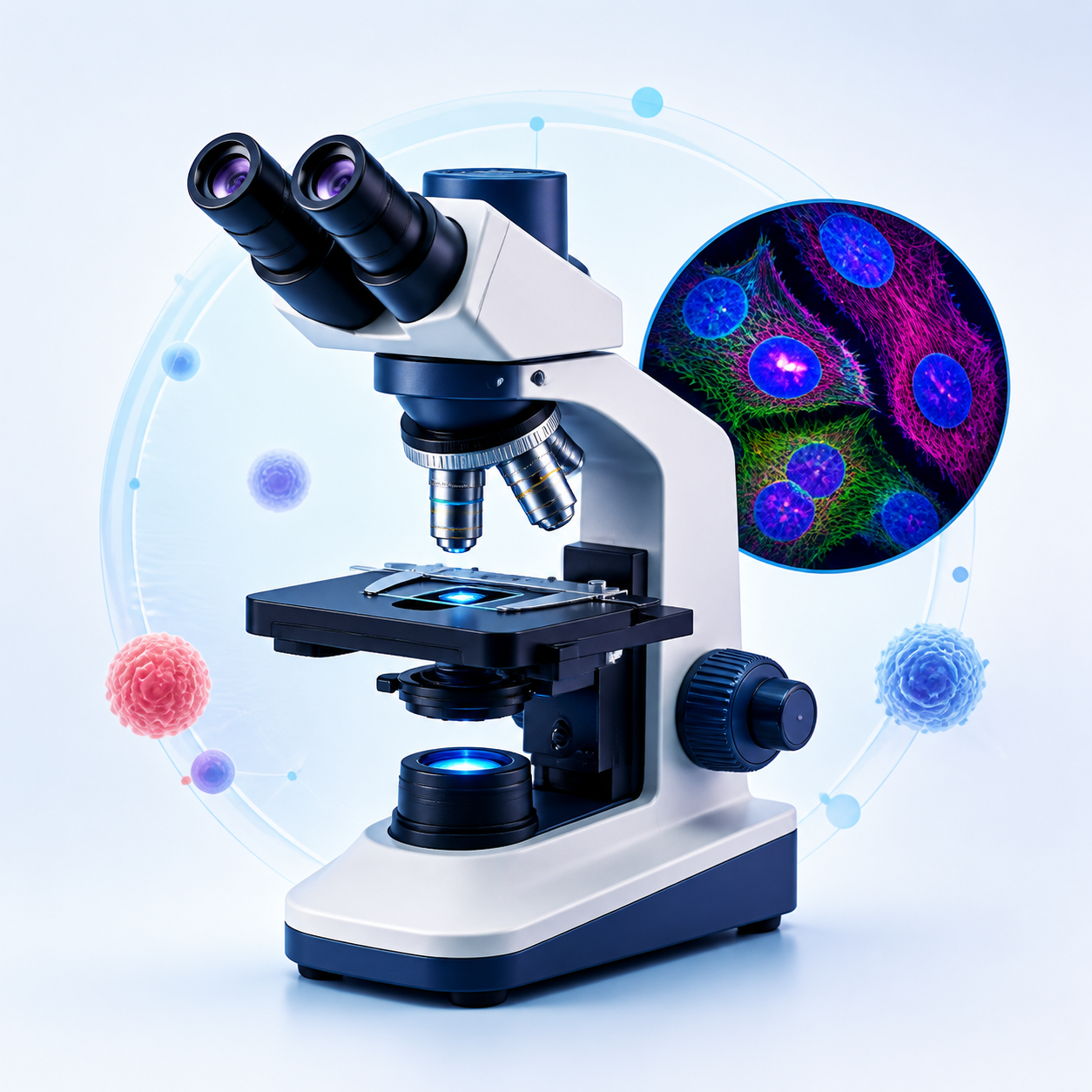 Immunostaining and microscopy
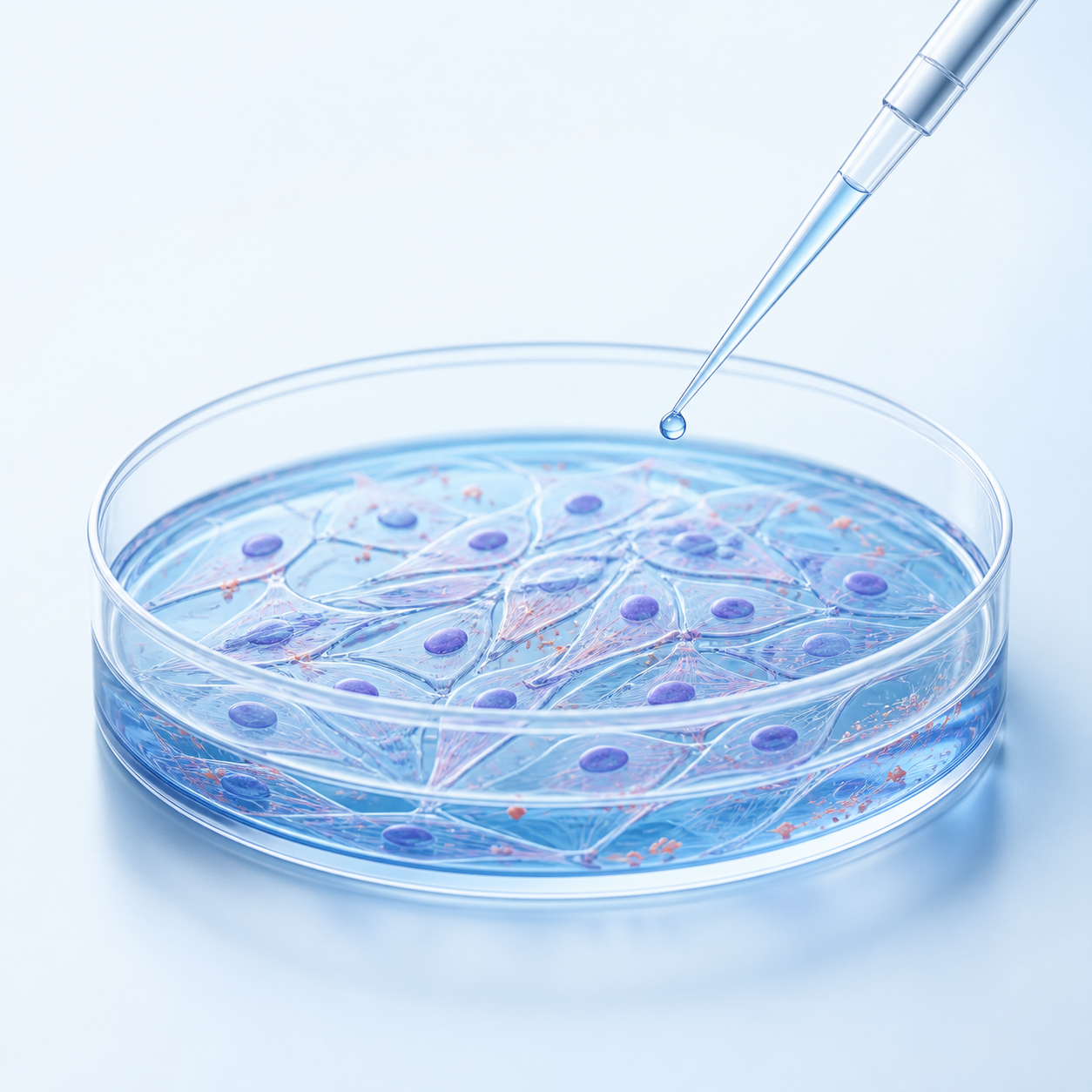 Cell culture and in vitro models
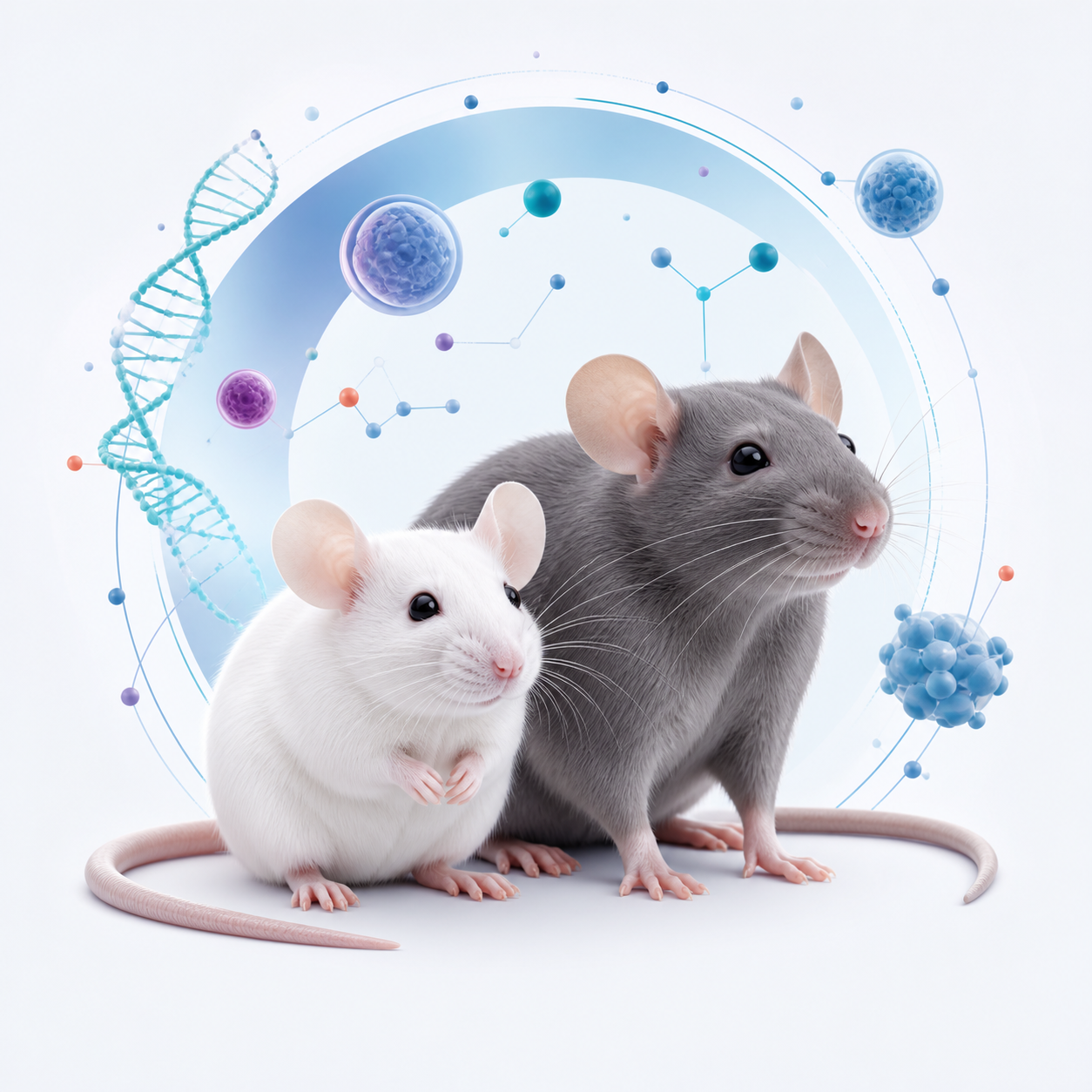 Mouse and rat in vivo studies
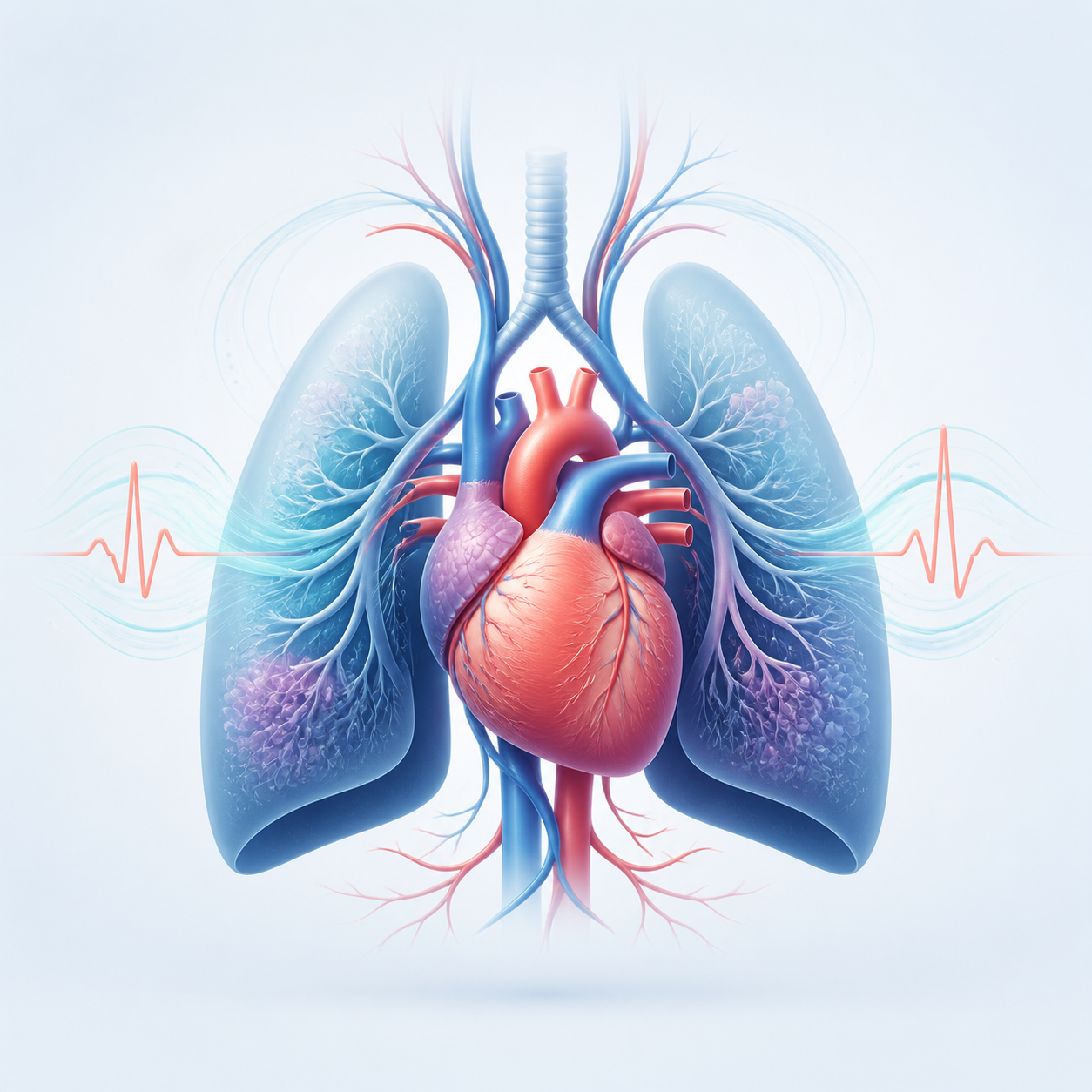 Cardiac and pulmonary function
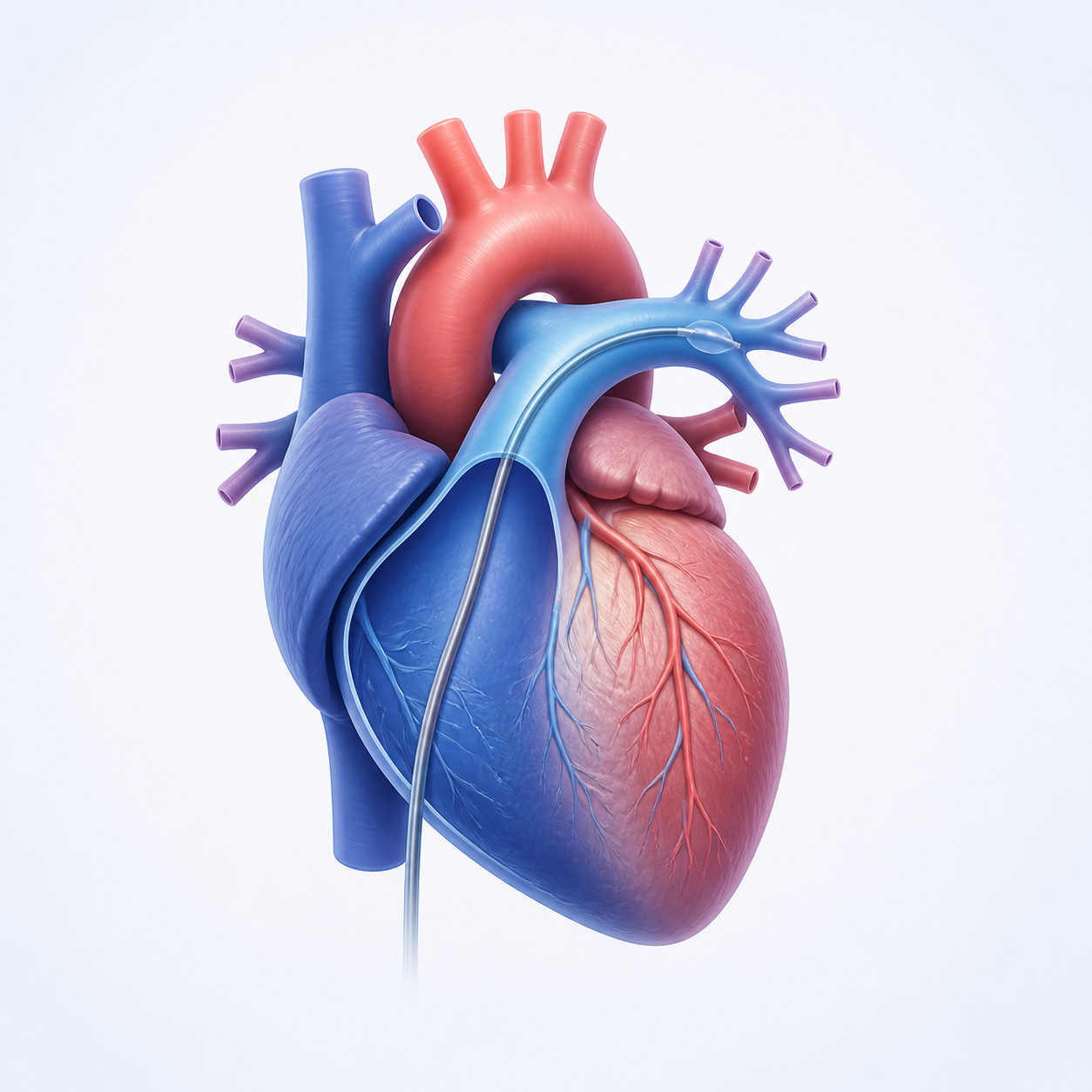 Right heart catheterization
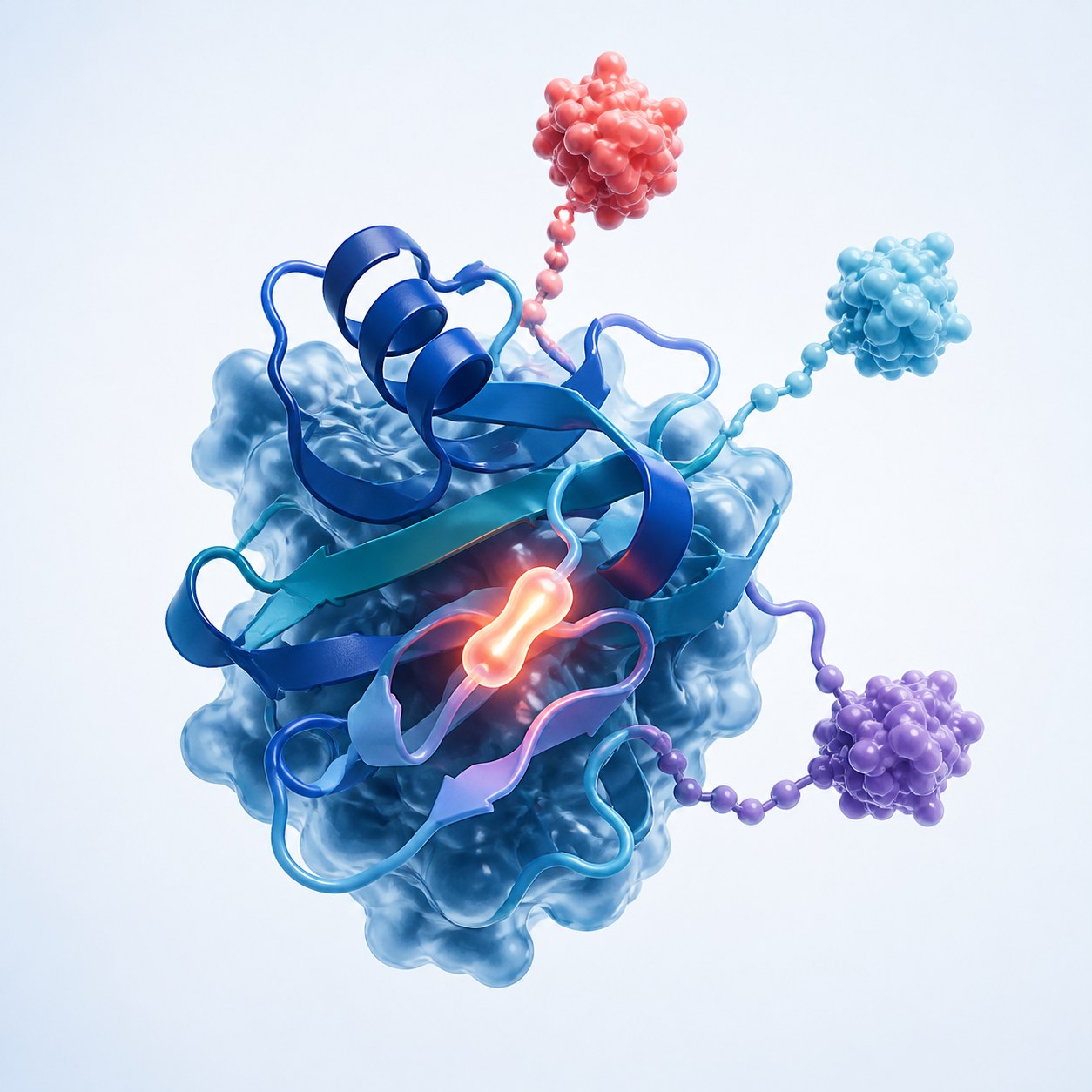 Post-translational regulation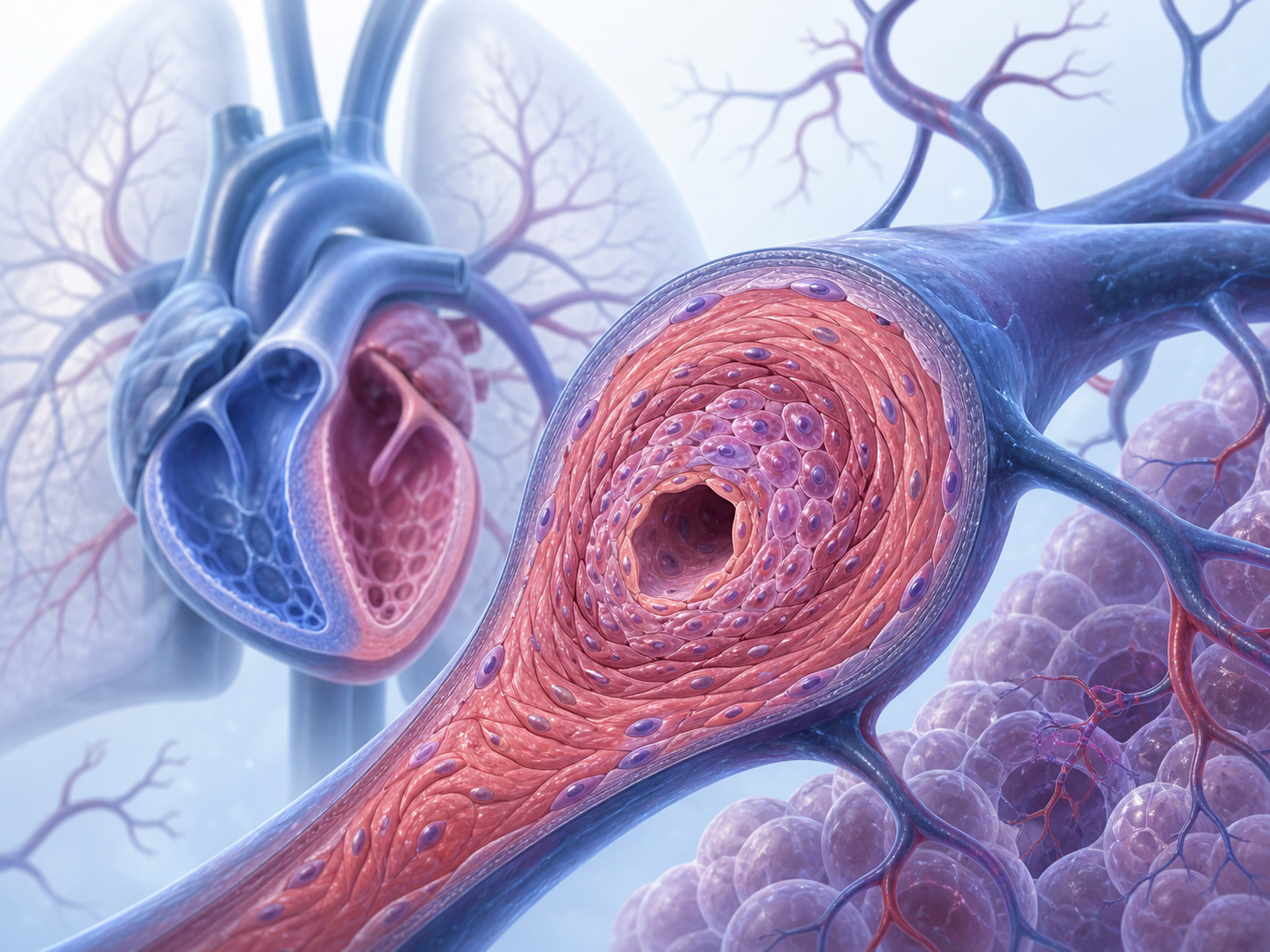
Molecular drivers of pulmonary arterial narrowing, vascular remodeling, and right-heart strain.
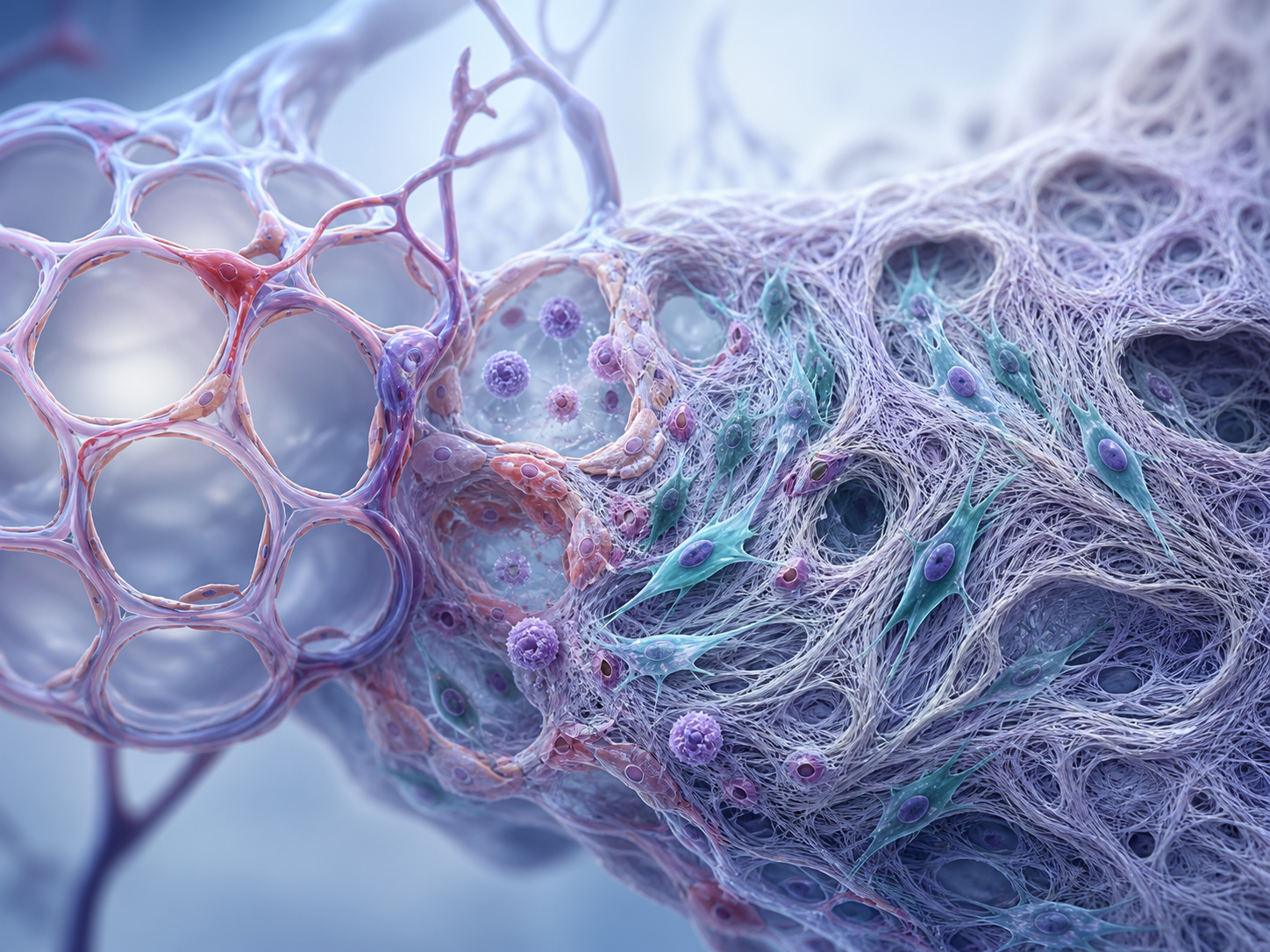
Fibroblast activation, collagen deposition, and progressive loss of functional alveolar tissue.
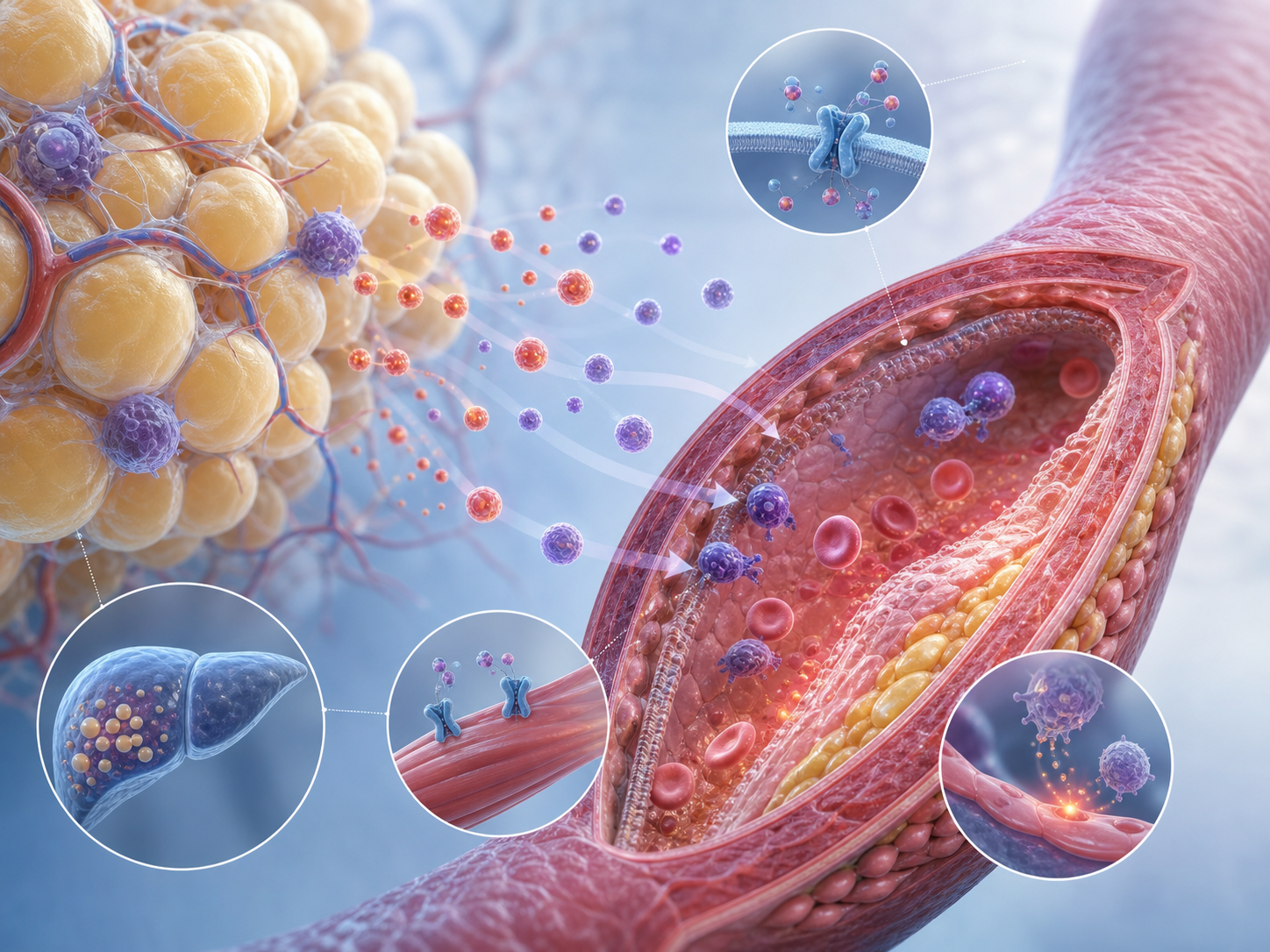
Links between adipose signaling, insulin resistance, inflammation, and vascular dysfunction.
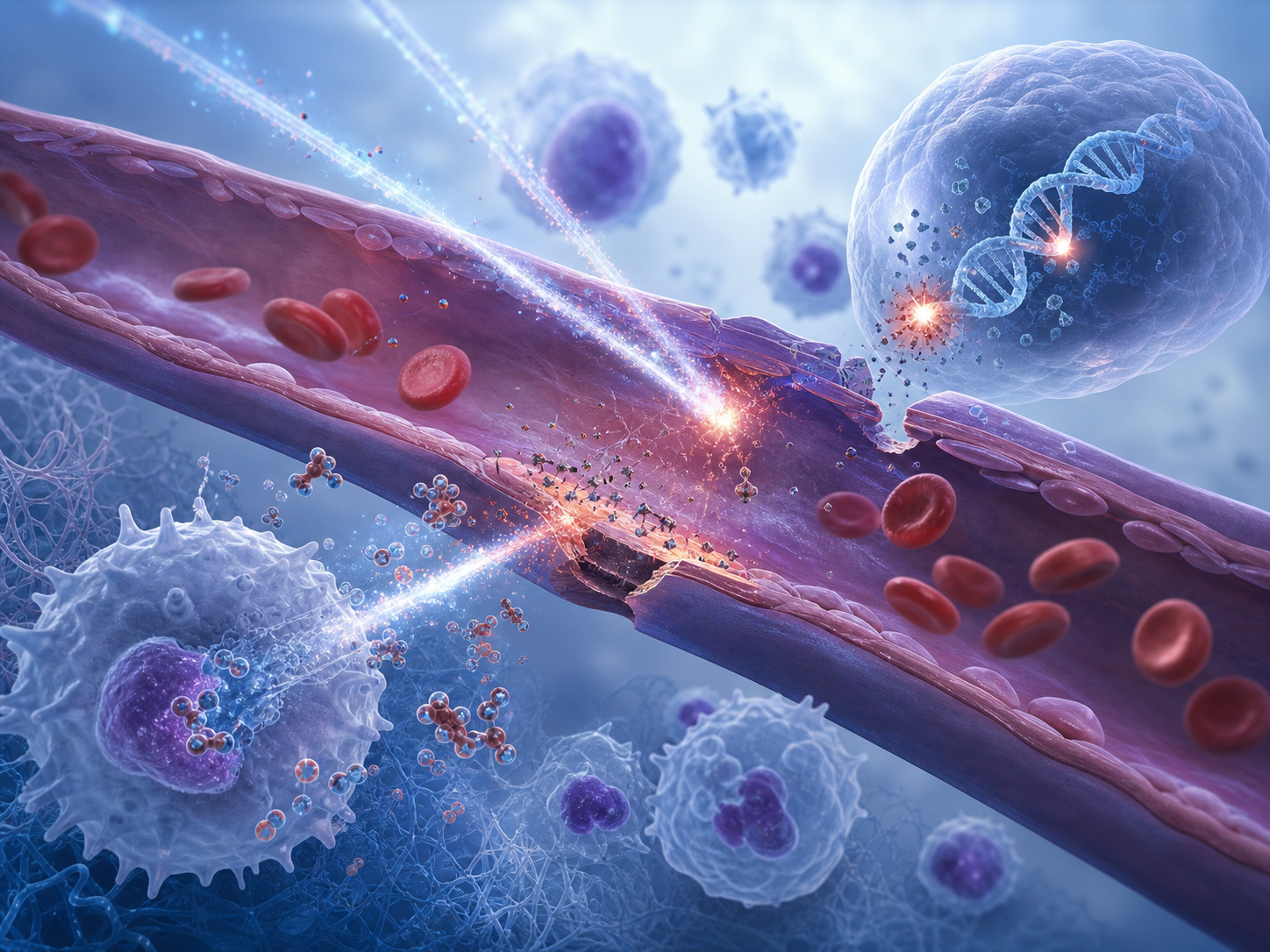
Radiation-induced DNA damage, oxidative stress, immune changes, and vascular injury.
Our mindset begins with a clinically important question: which molecular or cellular mechanism is driving disease, and can changing it improve cardiopulmonary health? We generate insight directly from patient-derived vascular cells and lung samples from people with pulmonary hypertension or pulmonary fibrosis, keeping discovery anchored to human disease. Candidate mechanisms are then tested in complementary cell systems and animal models to establish cause, reproducibility, and therapeutic relevance. In rodents, right-heart catheterization provides direct hemodynamic assessment of cardiopulmonary function, including right-ventricular and pulmonary arterial pressures and cardiac performance. These measurements are integrated with morphometric analyses of pulmonary vascular wall thickness and muscularization, vessel remodeling, right-ventricular hypertrophy and fibrosis, lung injury, and molecular endpoints. This progression—from human samples to mechanistic models and whole-organism physiology—shows not only whether a therapeutic strategy works, but why and how it works, helping us prioritize interventions with the strongest potential to improve patient outcomes.