Discover and validate targets
Combine transcriptomic and epigenomic profiling with independent human cohorts and preclinical models to identify clinically relevant disease drivers.

We develop and test strategies that address defined molecular and cellular features of disease.
Our goal is to turn biological insight into therapeutic strategies that can improve outcomes for people with pulmonary hypertension and pulmonary fibrosis. We begin with human lung tissue and disease-relevant models, identify and validate the pathways driving pathology, define how those pathways alter vascular and fibrotic cell states, and then test targeted interventions from patient-derived cells through in vivo proof-of-concept.
This integrated path keeps therapeutic development anchored to human disease while building the mechanistic and preclinical evidence needed to advance the strongest ideas.
Combine transcriptomic and epigenomic profiling with independent human cohorts and preclinical models to identify clinically relevant disease drivers.
Use gain- and loss-of-function studies, RNA sequencing, ChIP-seq, and ATAC-seq in patient-derived vascular cells to connect targets with pathogenic cell behavior.
Evaluate small molecules, gene and RNA therapies, and targeted protein degradation for effects on proliferation, inflammation, oxidative stress, migration, and metabolism.
Test lung-targeted pharmacologic or genetic interventions in relevant PAH and fibrosis models using hemodynamics, histopathology, and molecular endpoints.
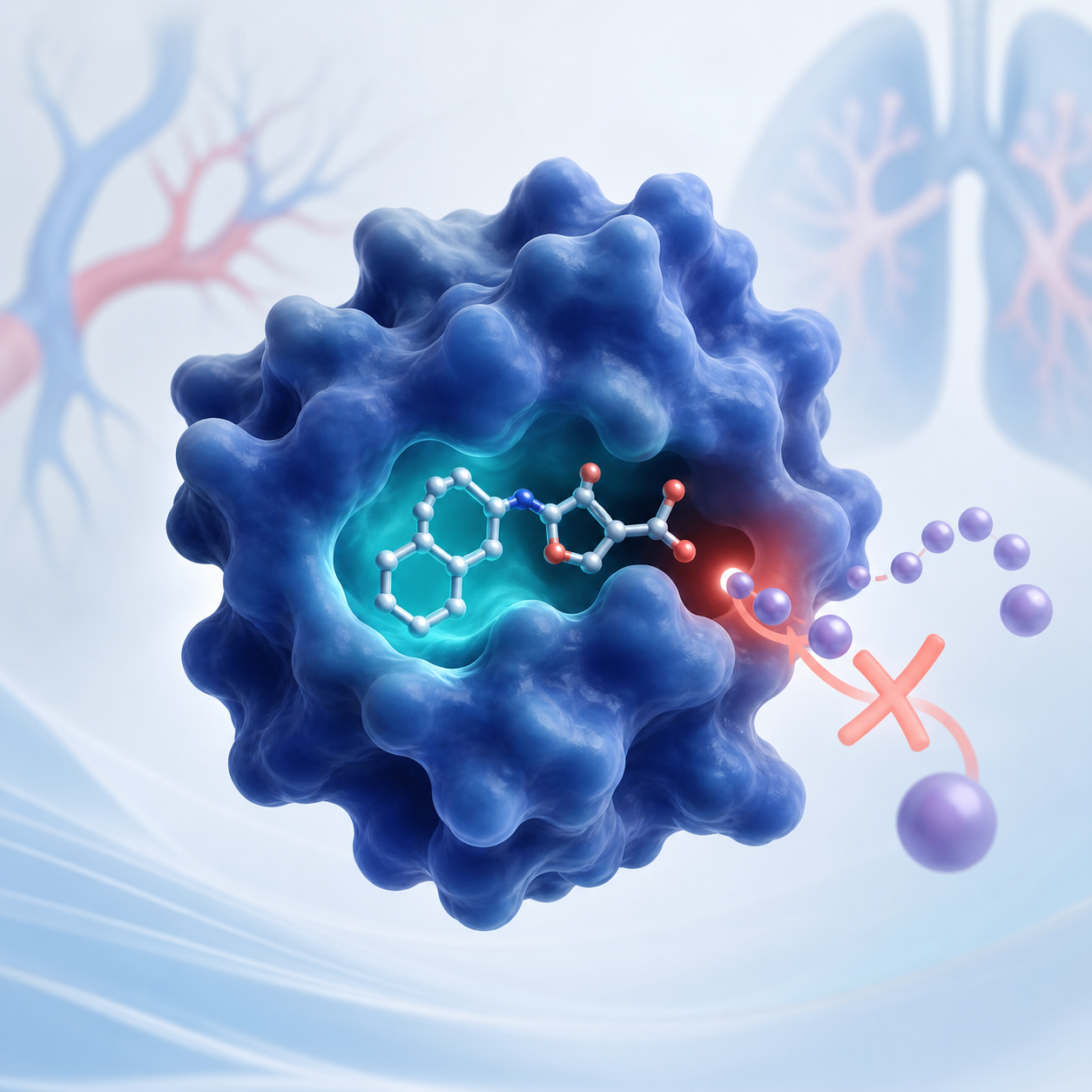
Selective compounds can suppress disease-driving enzymes or signaling proteins and provide a practical path for dose-controlled therapeutic testing.
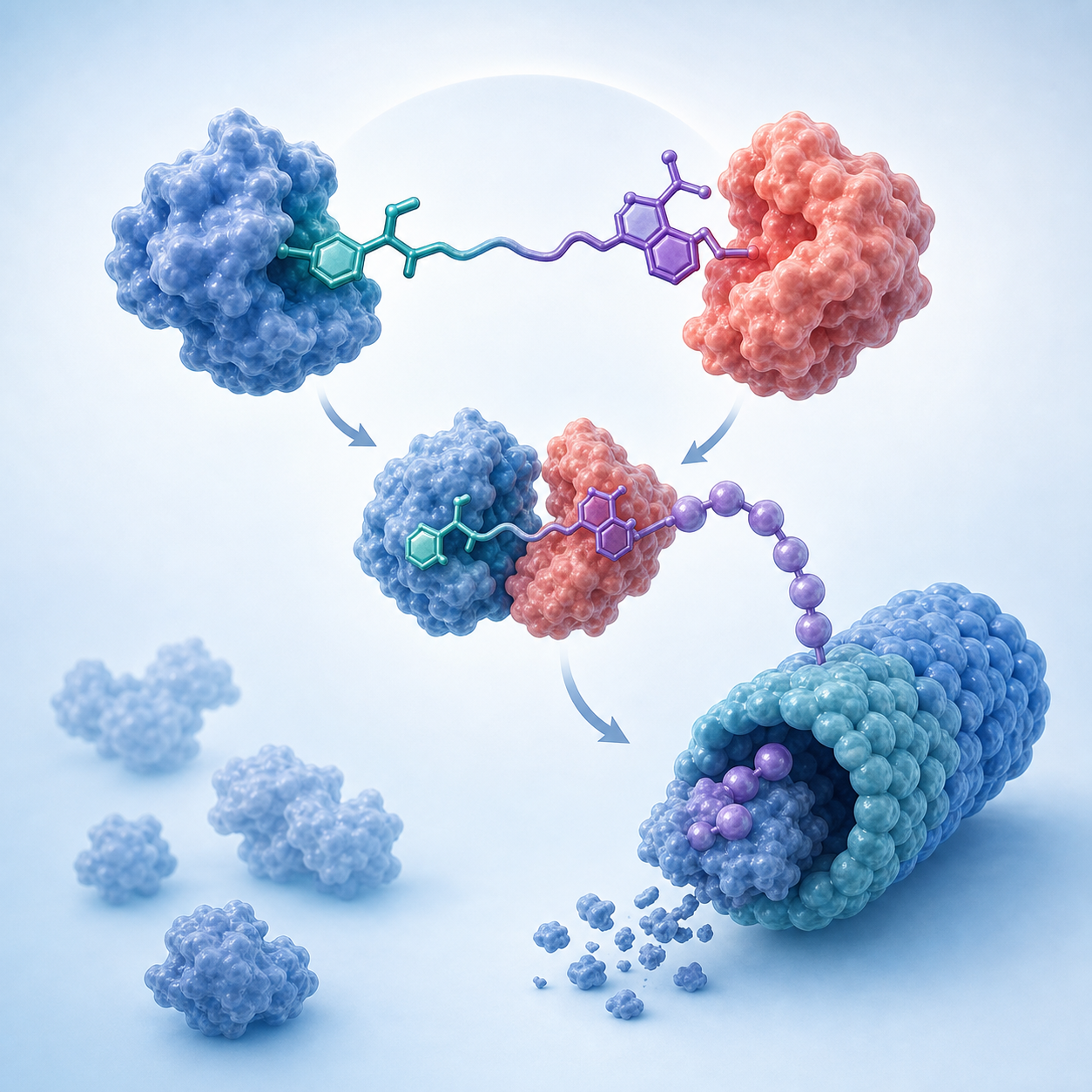
Bifunctional degraders recruit the cell’s ubiquitin-proteasome machinery to remove a pathogenic protein rather than only blocking its activity.
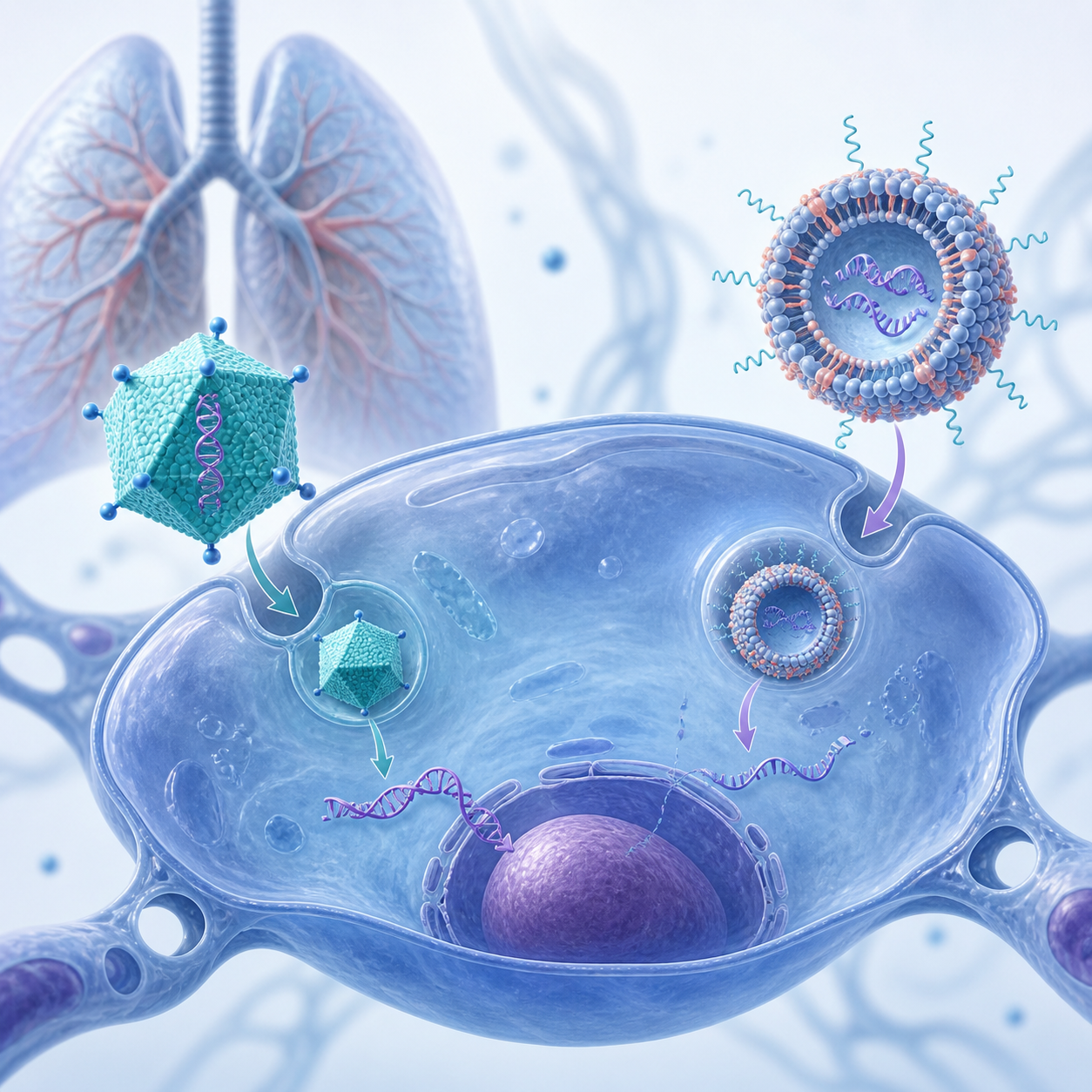
AAV vectors, modified RNA, and related strategies can restore protective programs or silence harmful ones with molecular precision.
Our translational path begins by identifying disease-relevant targets in human samples and validating their function in patient-derived cells. We then define the molecular mechanism, select the therapeutic modality best suited to that target, optimize activity and delivery, and test efficacy in pulmonary hypertension and fibrosis models. Hemodynamics, tissue remodeling, molecular biomarkers, and safety measurements determine whether a strategy has enough biological and translational support to advance toward clinical development.
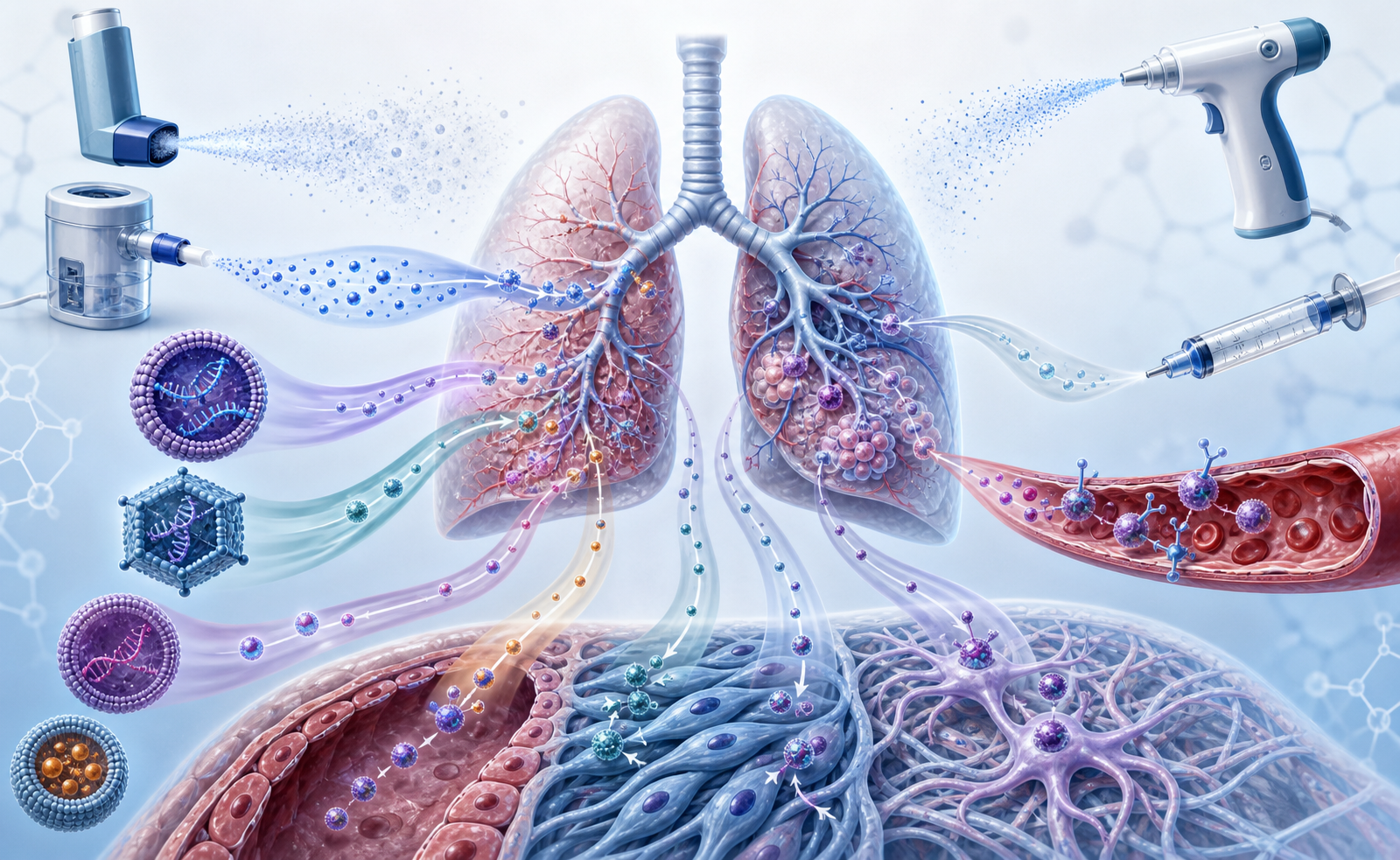
We evaluate inhaled aerosols and intratracheal administration alongside lung-targeted nanoparticles, lipid carriers for mRNA or siRNA, AAV and other gene-delivery vectors, and receptor-directed vascular strategies. Local delivery can concentrate treatment in pulmonary endothelial cells, smooth-muscle cells, fibroblasts, or airway and alveolar compartments while limiting unnecessary systemic exposure.